

Fernco Infrastructure · SealGuard · Strong-Seal®
Grouts and Sealants
Stop the water. Fill the void.
Polyurethane grouts that stop active leaks in seconds, a sealant for the joints you set, and cementitious grouts that fill voids, abandoned lines and culvert inverts. The leak-sealing and void-filling grouts go in from inside the structure, with no digging.
Stop the leak, or fill the space
The right grout depends on whether water is running and what you need to fill. Many jobs use both: stop the leaks first, then fill the voids behind the wall.
 Polyurethane · SealGuard
- Seals inside the leak pathInjected through a drilled hole, it foams and sets in the crack or joint, even with water running.
- Fast or farSealGuard II reacts in 1 to 3 seconds for fast leaks. HyperFlex takes about 30 to 60 seconds and spreads farther into cracks.
- HydrophobicSheds water instead of absorbing it, so it doesn’t shrink when the area dries out.
- Small kitSealGuard II cartridges and HyperFlex tubes need only a hand gun. No pump, no packers, no catalyst to mix.
 Cementitious · Strong-Seal
- Fills volumePumped behind a structure or through an abandoned line as a structural or flowable fill.
- Helps prevent settlingFilling voids behind a wall keeps water out and the ground from settling.
- Built for strengthFrom over 250 psi for lightweight fill to over 12,000 psi for culvert inverts.
- Pumped in placeGrout 250 and Grout 1,000 go in with a SprayMate® 35C, 35D or MiniMate II pump and grout packers.
Find the right product
Grouped by the job.
Stop active leaks
Inject polyurethane into the leak path, even with water running.


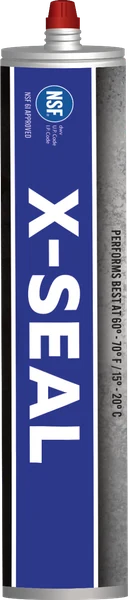
Seal joints
As you build or raise a manhole.
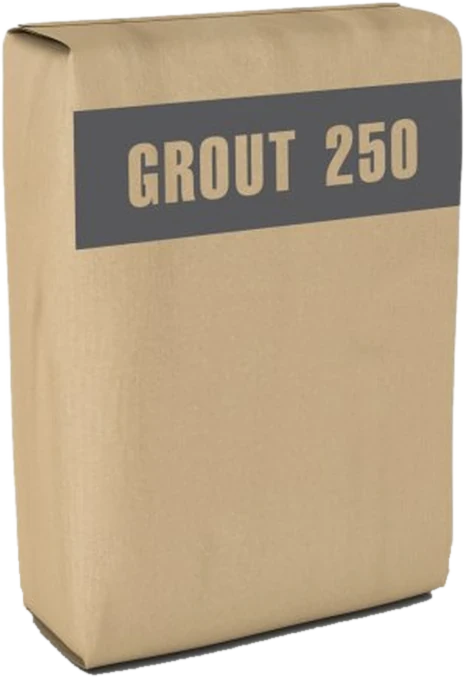
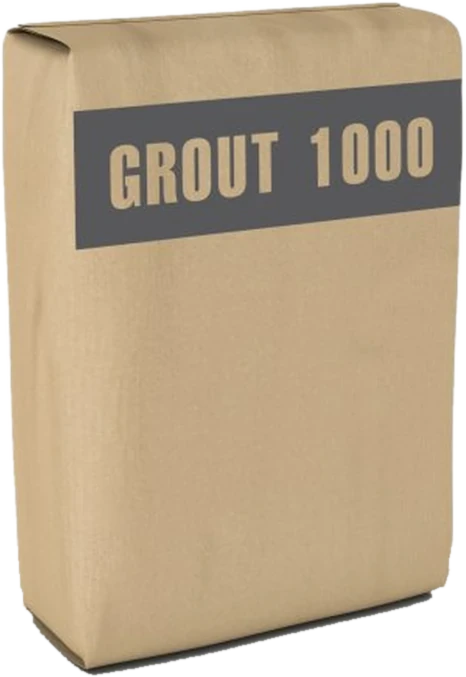
Fill voids and abandoned lines
Pump behind structures to stop leaks and settling, or fill pipes taken out of service.
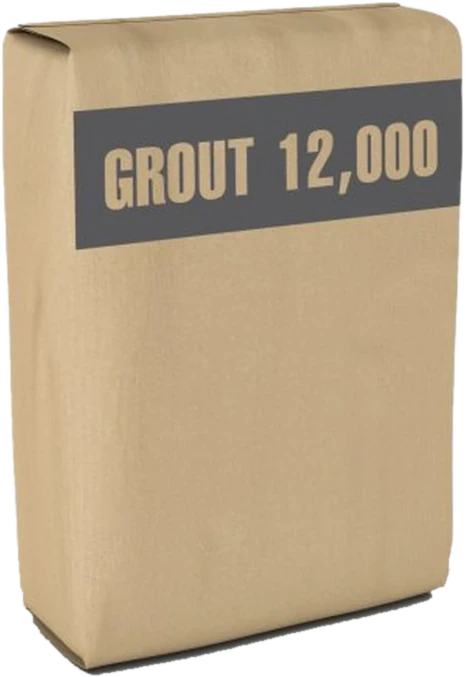
Culvert inverts
Rebuild a scoured invert before lining.
Lining the structure once it’s dry? See the Strong-Seal® cementitious products. Stopping a minor leak by hand before lining? See Strong-Plug®.
Compare the methods
Each method has a place. Here’s how they compare for an active leak in a structurally sound manhole.
| SealGuard II cartridge | Hydraulic cement plug (Strong-Plug®) | Pump-injected polyurethane | Hydrophilic gel or foam | Excavate and replace | |
|---|---|---|---|---|---|
| Where it seals | Inside the leak path, through a drilled hole | At the surface opening | Inside the leak path, through packers | Inside the leak path or behind the wall | Whole structure |
| Typical set time | 1 to 3 seconds at 70°F | Under 1 minute | Tens of seconds to minutes, set by catalyst dose | Varies by product and mix | n/a |
| Equipment | Drill, dual cartridge gun, static mixers | Bucket, gloves | Drill, packers, injection pump, catalyst | Drill, packers, pump | Excavator, bypass, traffic control |
| Mixing on site | None; mixes in the nozzle | Mix as a slurry, or use dry | Catalyst added to resin | Resin mixed with water | n/a |
| If the ground dries out | Hydrophobic; holds its size | n/a | Hydrophobic grades hold their size | Can shrink, swells again when wet | n/a |
| Adds structural strength | No | No (spot repair) | No | No | Yes |
| Planning cost and life, 4 ft manhole (2002 dollars) | $540 to $835, 15 years (chemical grouting) | n/a | $540 to $835, 15 years | $540 to $835, 15 years | $2,400 to $5,500, 50 years |
Cost and life figures are planning estimates from the U.S. EPA (2004 report to Congress, citing ASCE). Your costs will differ, and today’s costs are higher. Grouting is for structurally sound manholes; for a failing structure, see Strong-Seal® liners.
On the job
Leaks stopped and joints sealed in the field.


Small leaks add up fast
Groundwater that leaks into a sanitary sewer is pumped and treated along with the sewage. Set the leak rate and your cost to treat a thousand gallons to see what one leak costs in a year.
Gallons a year = gpm × 525,600. U.S. EPA figures, as reported by MSW Magazine (2018), put wastewater collection and treatment at $2 to $5 per thousand gallons. Assumes a steady leak all year; real infiltration rises and falls with groundwater and rain, so use your own flow data where you have it.
From the field
As reported by SealGuard Inc., S1E and Trenchless Technology.
A precast manhole in the Monongahela River was leaking more than 200 gpm at a joint about 8 feet below the waterline. A SealGuard Inc. crew packed the joint with oakum and stopped the inflow with 14 SealGuard II cartridges, in under an hour in the manhole.
Source: SealGuard Inc. case studyLeaking manholes 16 to 26 feet deep beside a creek were sealed with HyperFlex. Replacement had been quoted at about $300,000.
Source: Trenchless Technology, reposted by S1EA two-person town crew grouted 186 manholes with SealGuard and stopped 531 gpm of infiltration, which the town reported as reclaiming 17% of its treatment plant’s capacity.
Source: S1E customer storySources: Treatment cost range: U.S. EPA, as reported in MSW Magazine, What Is Excessive Inflow and Infiltration? (2018). Method cost and life: U.S. EPA, Report to Congress on Impacts and Control of CSOs and SSOs (2004), Appendix L, citing ASCE. Practice: ASTM F2414; NASSCO Manhole Rehabilitation Performance Specification Guideline (2025). Field results as reported by SealGuard Inc., S1E and Trenchless Technology.
What goes in the submittal
Chemical grouting of sewer manholes is covered by ASTM F2414, Standard Practice for Sealing Sewer Manholes Using Chemical Grouting, and by NASSCO’s Manhole Rehabilitation Performance Specification Guideline (2025). NASSCO calls for grouting only structurally sound manholes, after frame, cover and grade ring work is done. Values on this page come from SealGuard Inc. data. Ask us for the full package: data sheet, safety data sheet, NSF listing (HyperFlex), installation instructions and the chemical resistance chart. Send us your spec and we’ll show you where SealGuard fits.
Common questions
Hydrophobic or hydrophilic grout?
Both are used to seal manholes. Hydrophilic grouts absorb water and can shrink if the ground dries out, then swell again when it’s wet. Hydrophobic grouts like SealGuard push water out as they cure and hold their size wet or dry, which suits manholes where the water table rises and falls. Check what your spec allows.
Which do I use first?
Stop active leaks first, then fill voids behind the wall, then line the structure if it needs restoring. NASSCO’s manhole rehabilitation guideline also calls for frame, cover and grade ring work before grouting, and for active leaks to be stopped before a liner goes on.
Does grout make the manhole stronger?
No. Injection grout stops water. It doesn’t add structural strength. NASSCO’s manhole rehabilitation guideline says to grout only structurally sound manholes, and to finish frame, cover and grade ring work first. If the walls are deteriorated, stop the leaks, then restore the structure with a Strong-Seal® liner.
How long does a grout repair last?
There’s no lab test that predicts the service life of injection grout, and we don’t make a lifetime claim. For planning, the U.S. EPA’s 2004 report to Congress, citing ASCE, lists 15 years for chemical grouting of manholes and 50 years for structural lining or replacement. Results depend on how fully the leak path is filled and the condition of the structure.
How do I confirm the leak is sealed?
Look first: the joint or crack should be dry, with no running or weeping water. For a fully rehabilitated manhole, NASSCO’s guideline calls for a vacuum test to ASTM C1244. Many utilities also compare flow meter readings before and after the work.
Is any of it approved for drinking water?
HyperFlex is certified to NSF/ANSI/CAN 61, within its listing limits. SealGuard II and X-Seal are not on the listing. Ask us before using a product in a drinking water structure.
Watch a manhole get sealed
SealGuard II and HyperFlex stopping infiltration in a manhole, with no digging.
Documents
Sell sheets, installation instructions, safety data sheets and the chemical resistance chart for every SealGuard and Strong-Seal grout, plus the Fernco Infrastructure catalog.
 SealGuard II Sell SheetSell sheet · PDFView PDF
  SealGuard II Installation InstructionsInstructions · PDFView PDF
  HyperFlex Sell SheetSell sheet · PDFView PDF
  HyperFlex Installation InstructionsInstructions · PDFView PDF
 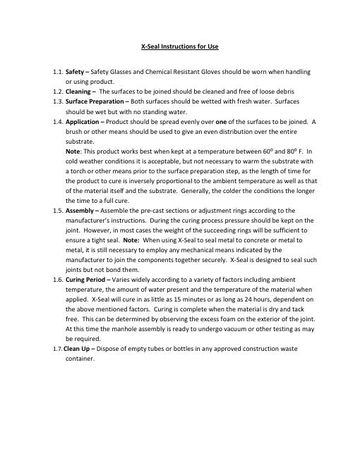 X-Seal Instructions for UseInstructions · PDFView PDF
  SealGuard II Safety Data SheetSDS · PDFView PDF
  HyperFlex Safety Data SheetSDS · PDFView PDF
  X-Seal Safety Data SheetSDS · PDFView PDF
  Chemical Resistance ChartChart · PDFView PDF
  Strong-Seal Grout 250 Sell SheetSell sheet · PDFView PDF
  Strong-Seal Grout 1,000 Sell SheetSell sheet · PDFView PDF
  Strong-Seal Grout 12,000 Sell SheetSell sheet · PDFView PDF
  Fernco Infrastructure CatalogCatalog · PDFView catalog
Interested in carrying Fernco Infrastructure?
Fernco Infrastructure covers manhole, structure and pipe rehab with three product lines. Add them to your line card to serve municipal and contractor customers.
 Strong-Seal
 SealGuard
 PipePatch